
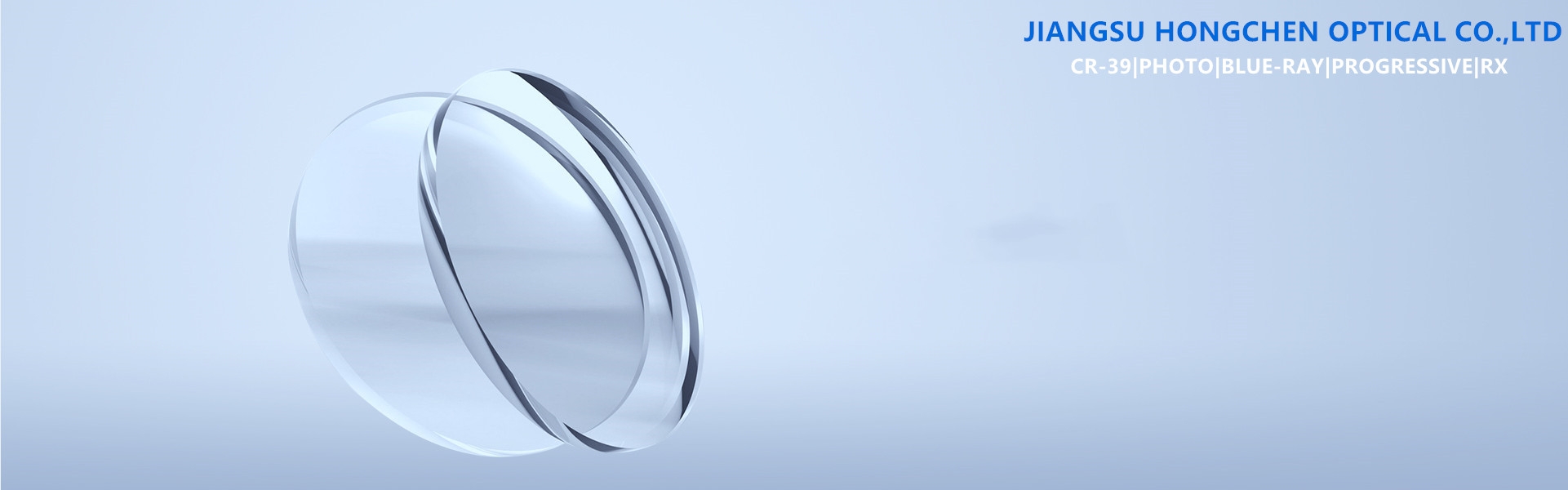
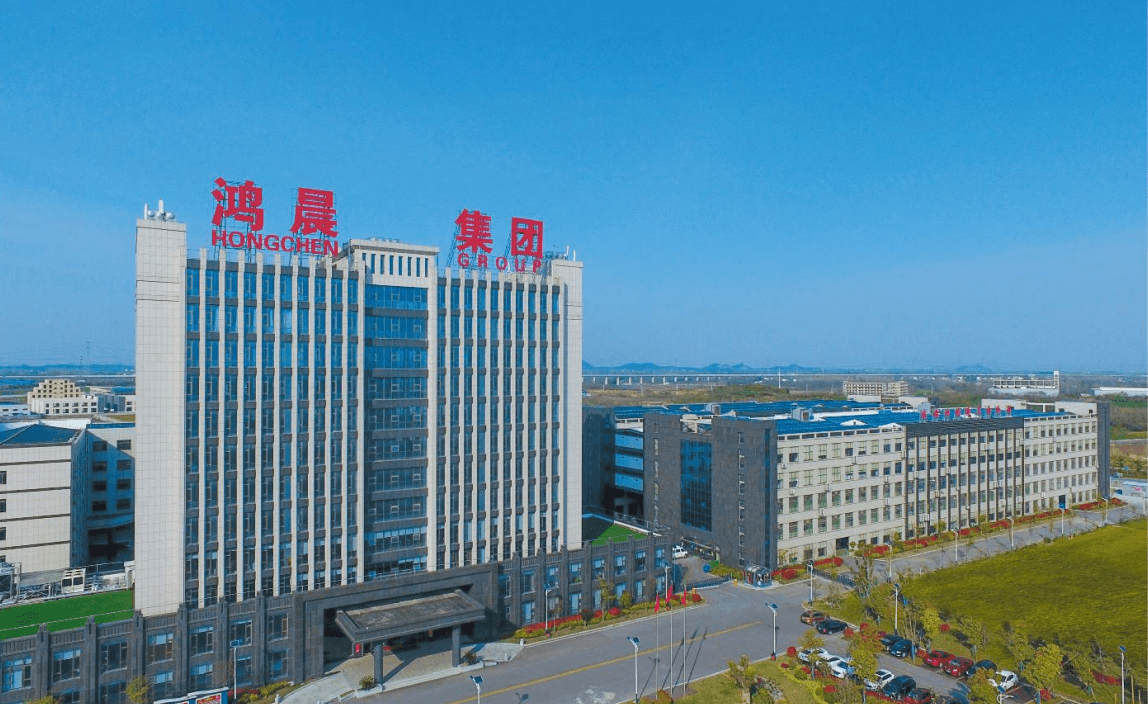
Global optical distribution continues to change as trade policy and import compliance requirements evolve. Regulatory frameworks such as the EU Medical Device Regulation and FDA requirements in the United States place real compliance demands on suppliers, and international buyers face growing friction when importing corrective optics across borders. Supply chain stability starts with finding a manufacturing partner that can provide organized documentation and consistent batch quality. In this environment, a well-run, Certified Lens Factory is a genuine strategic asset for B2B buyers — reducing the product variance and the customs uncertainty that fall on the importer if a supplier can’t back up its claims with paperwork.
Identifying an export-ready manufacturing partner with real technical depth is a priority for procurement teams worldwide. A well-documented supply chain reduces delays at the border and helps keep inventory moving; verifying a factory’s credentials before committing to a long-term agreement is simply sound procurement practice, and it protects the capital a distributor has tied up in physical inventory.
Engineering Consistency: Automated Casting and Mold Assembly
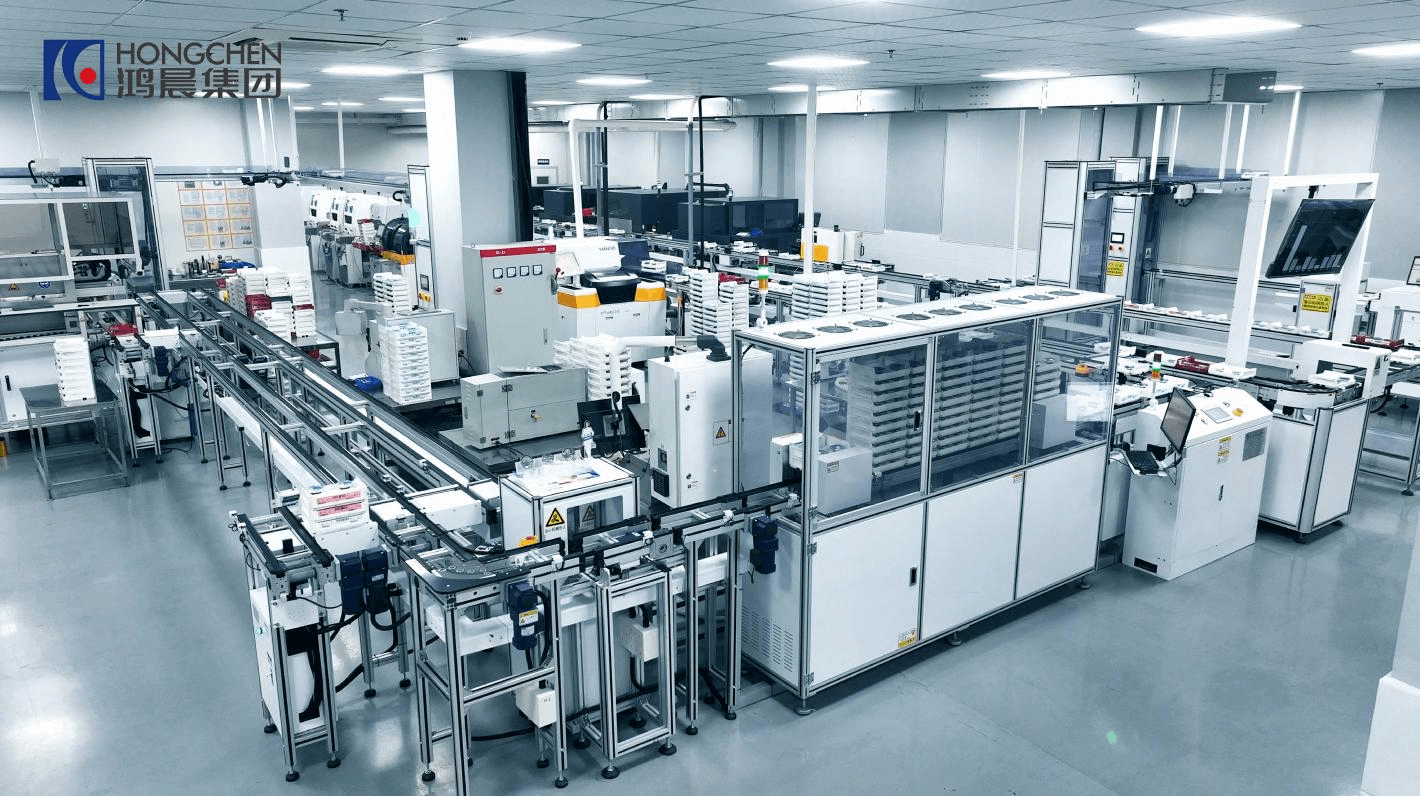
Raw production capacity alone does not satisfy the requirements of competitive distribution networks — optical consistency across every production run matters just as much. To support this, JIANGSU HONGCHEN OPTICAL CO.,LTD. (HONGCHEN Optical) runs automated infrastructure within its primary casting facilities. Manual handling introduces small human variation during the early stages of lens preparation; smart mold-assembly machines instead execute positioning tasks with tight, repeatable accuracy, and automated casting systems pour liquid resin monomers under controlled temperature and atmospheric conditions to help prevent internal stress lines and microscopic air bubbles in the polymer.
The result is a finished lens with more uniform physical properties across large production runs, which directly supports lower return rates and more predictable coating adhesion downstream. Controlled production processes help keep polymer cross-linking stable across batches, which is one of the factors behind long-term clarity and resistance to yellowing over time.
The RX Digital Surfacing Center: Precision at Export Scale
As demand for personalized prescriptions grows, standardized stock inventory alone can’t address every order. HONGCHEN Optical operates a digital RX production workflow built around Satisloh VFT-orbit-2i and Multi-FLEX-2 freeform surfacing equipment, shaping optical surfaces to match individual prescriptions with tight, repeatable tolerances. Industrial software calculates precise cutting paths to generate the intricate corrective curvatures each order requires, allowing the lab to handle complex prescriptions while still maintaining throughput for export-scale volumes.
Digital integration connects order entry directly to the processing floor, shortening lead times for customized international shipments and supporting a 48-hour RX turnaround target on standard orders. Standardized quality inspections during processing help reduce scratch risk and keep thickness uniform across specialized lens profiles — practical details that matter to a distributor managing return rates, not just abstract manufacturing claims.
Compliance Framework: The Quality Control Behind Our Certifications
International quality certifications are more than a label — they are the operational backbone of daily manufacturing and quality control. HONGCHEN Optical maintains an ISO13485 quality management system, current FDA registration, and organized CE technical documentation, and the compliance team supports international partners directly with the paperwork, test reports, and traceability records that customs and retail compliance processes typically require.
Quality control checkpoints run through the full manufacturing journey, from raw materials to final packaging. For lens lines where impact resistance is relevant, the facility applies relevant third-party testing and documentation where applicable. Material traceability is maintained across batches of chemical monomers, and processing steps are documented from initial polymerization through final automated optical inspection. Relevant third-party testing and documentation, where applicable, support alignment with recognized manufacturing management standards, and this documentation is what allows HONGCHEN Optical to support B2B buyers through their own import compliance process rather than leaving them to source paperwork after the fact.
Product Depth: A Broad Portfolio Built for Global Distribution
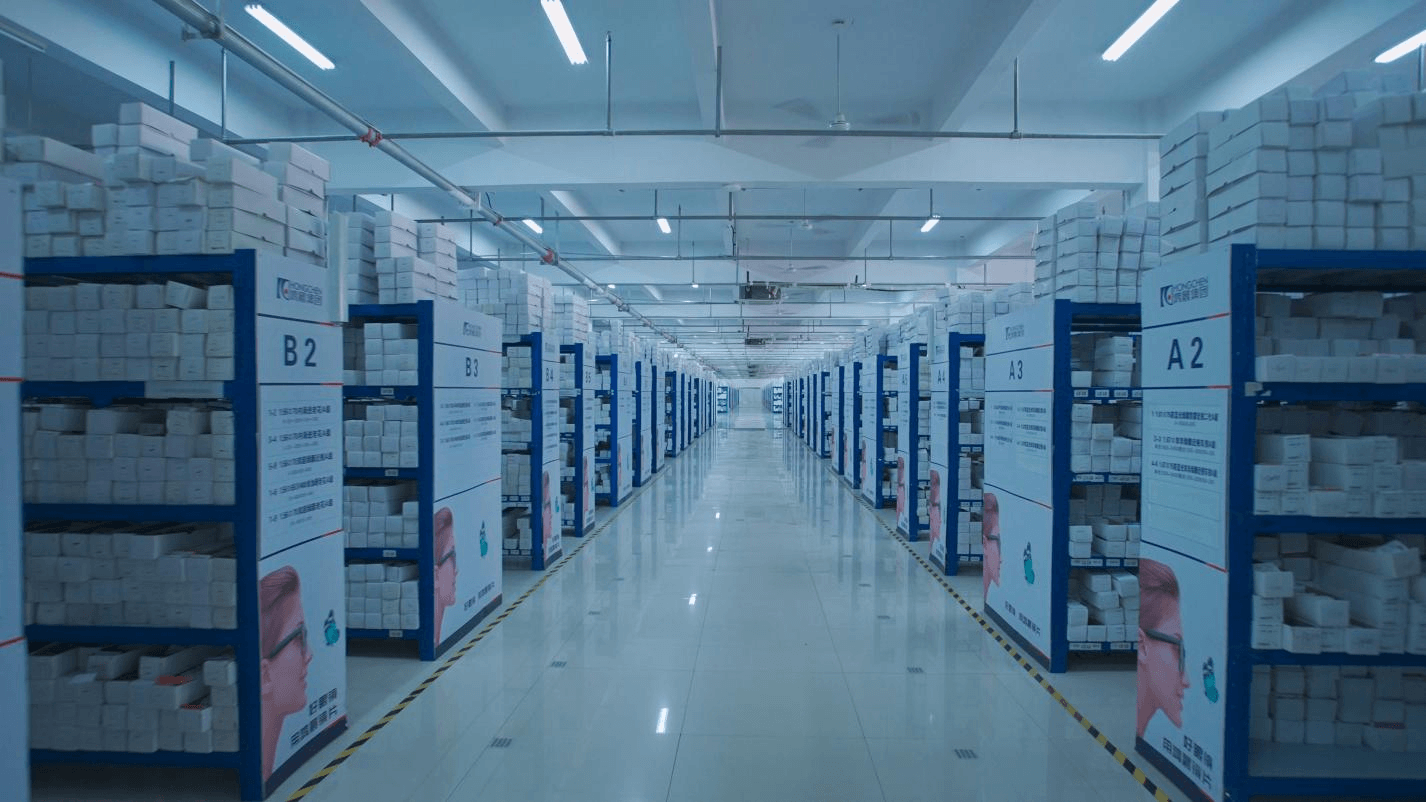
Commercial differentiation matters in a competitive optical market, and distributors need a broad enough product range to stand out with retail customers. HONGCHEN Optical continues to invest in material research and proprietary optical designs across a resin matrix spanning 1.56, 1.59 PC, 1.61 MR-8, 1.67, and 1.74 lenses, alongside blue-light filtering coatings, photochromic variations, and hydrophobic and oleophobic anti-reflective finishes that resist smudging and reduce glare during daily wear.
The factory also supports OEM and ODM programs for partners building their own private label, letting regional brands introduce differentiated products without heavy upfront capital investment. Across the range, the priority stays the same: structural durability paired with visual clarity, and coating color stability from one production run to the next, so international distributors can build a consistent retail experience across regions.
Conclusion: Partnering with HONGCHEN Optical for Risk-Mitigated Growth
Selecting an international manufacturing partner is fundamentally an exercise in risk management. Global supply operations require a balance of documentation, hardware capability, and batch-to-batch consistency, and HONGCHEN Optical (JIANGSU HONGCHEN OPTICAL CO.,LTD.) — with nearly 40 years of lens manufacturing experience based in Danyang, Jiangsu — is built around that balance. Importers working with the company receive consistent shipments backed by organized documentation, reducing the administrative friction that otherwise falls on the buyer.
This kind of manufacturing stability supports long-term commercial relationships built on reliability rather than one-off transactions. For inquiries regarding global distribution partnerships, product catalogs, and manufacturing specifications, please visit the official corporate site.
Post time: Jul-23-2026