

International optical distributors are operating under real economic pressure — rising inflation, volatile freight costs, and growing administrative overhead all challenge standard procurement models. This has pushed many procurement teams to re-evaluate their supply chains in search of a better balance between precision and cost. A direct relationship with an established manufacturer based in one of China’s optical manufacturing clusters offers a genuine structural advantage here, largely because of what industrial clustering does for supply reliability.
HONGCHEN Optical (JIANGSU HONGCHEN OPTICAL CO.,LTD.) is based in Danyang, Jiangsu — a region widely recognized within the industry as one of China’s most established optical manufacturing hubs, home to a dense network of monomer suppliers, mold makers, coating specialists, and packaging vendors. Rather than coordinating fragmented vendors spread across continents, distributors working with a Wholesale Optical Lens Manufacturer in China inside this cluster tap into a supply ecosystem where upstream components move quickly and reliably, with strong transport links to major ports for onward export.
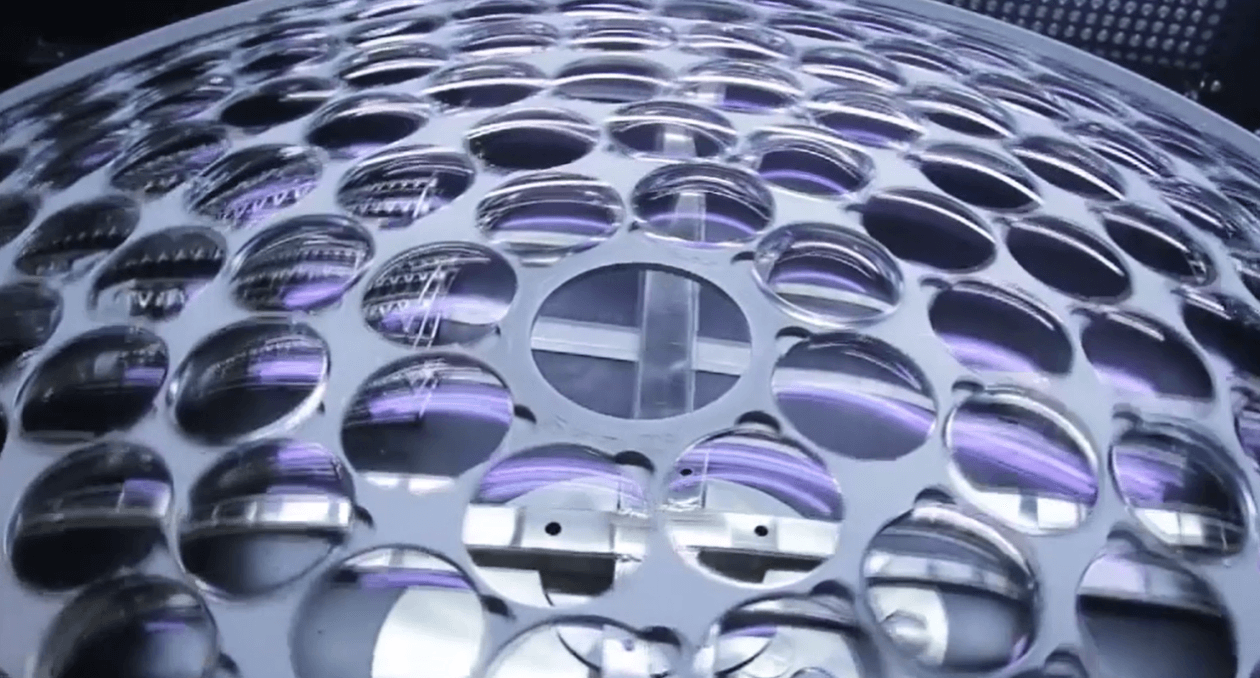
Upstream Sourcing Leverage in Premium Materials
Raw-material procurement is where financial efficiency starts. Smaller factories often struggle with fluctuating monomer costs, which pushes instability downstream into wholesale pricing. Larger production hubs, by contrast, can secure long-term supply contracts because of their volume. HONGCHEN Optical maintains stable sourcing relationships with established raw-material suppliers, which helps give international clients more pricing stability, even during periods of raw-material volatility.
Consistent, high-volume material sourcing also reduces the risk of production pauses due to shortages, which keeps batch characteristics stable across multi-year supply cycles — a detail that matters directly to downstream finishing labs, since consistent polymer density means fewer drilling errors during rimless frame assembly.
Automated Coating Lines: Yield and Consistency at Scale
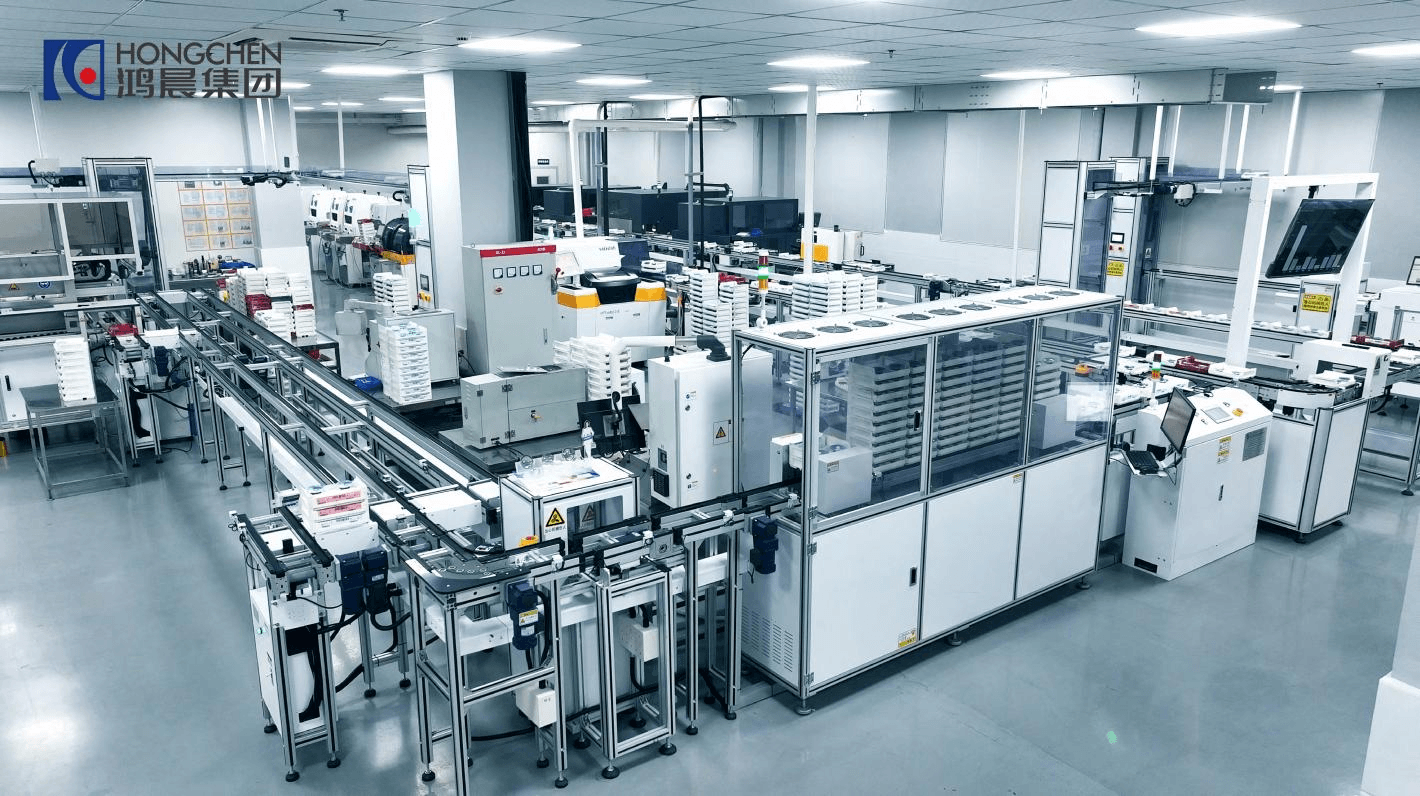
Surface treatment is another area where scale drives down cost. Applying protective coatings requires significant investment in specialized equipment and cleanroom environments. HONGCHEN Optical uses standardized coating processes and batch quality controls during hard-coat and anti-reflective vacuum deposition, helping keep light transmission and coating color consistent from batch to batch.
This level of automation helps improve production efficiency, coating consistency, and process stability, supporting reliable quality for large-volume optical programs. These controlled coating processes also help improve coating durability and resistance to daily wear under normal usage conditions — the kind of consistency that supports customer satisfaction and reduces returns for distributors. For international distributors, coating consistency is especially important because different production sources may create visible differences in AR reflection color and photochromic appearance. A controlled in-house coating process helps maintain a more consistent product experience.
Category Consolidation: One Supplier Across Product Lines
Managing separate suppliers for finished lenses, semi-finished blanks, and custom RX orders creates real administrative overhead and often costs margin through fragmented freight and mismatched delivery schedules. HONGCHEN Optical’s catalog spans finished lenses, semi-finished blanks, custom RX orders, mineral glass options, and specialized treatments, letting distributors consolidate shipping containers and reduce international freight costs.
A distributor can, for example, combine high-volume stock items with niche high-index products and freeform RX Prescription in a single supply stream, simplifying communication and unifying quality baselines across the whole order — freeing up internal resources to focus on regional sales growth instead of vendor coordination.
Turnkey OEM/ODM Private Label Infrastructure
Building an independent optical brand requires real infrastructure, and partnering with an established supplier simplifies that path considerably. HONGCHEN Optical offers turnkey OEM and ODM services and supports customized lens envelopes and OEM packaging solutions, so distributors receive shelf-ready inventory with their own logos, branding, and barcoding built in — without the capital expenditure of setting up printing and packaging operations themselves.
This downstream process runs under the same compliance framework as the rest of the facility: an ISO13485 quality management system, current FDA registration, and organized CE documentation, with certification support available to help B2B buyers manage their own import compliance for private-label shipments.
Conclusion: From Transactional Buying to Strategic Supply Partnership
Choosing a manufacturing partner in the optical industry is ultimately about total cost of ownership, not just unit price. Successful distributors weigh long-term compliance, product consistency, and portfolio flexibility alongside cost. A consolidated, cluster-based manufacturing partner offers real advantages on all three fronts.
Importers working with HONGCHEN Optical receive consistent products that move smoothly through customs, backed by nearly 40 years of lens manufacturing experience and a base within the Danyang industrial cluster. To explore detailed product specifications, manufacturing capacity, and distribution terms, please visit the official corporate site.
Post time: Jul-25-2026